Table of Contents
4-stroke engine oil isn’t as interchangeable as it might seem.
At first glance, motor oil appears to be universal, with the same purpose and same promise to protect the engine and keep things running smoothly. But once you look closer, the differences between motor oils for passenger cars and motorcycles become hard to ignore. From clutch performance to extreme engine stress, using the wrong oil isn’t just a small mistake, it can directly impact performance, durability, and even safety.
Key Differences Between 4-Stroke Engine Oil for Passenger Cars and Motorcycles
You might think there isn’t much difference between motor oil for passenger cars and motor oil for motorcycles. After all, both oil types are designed for internal combustion engines, both lubricate moving parts, and both aim to reduce wear, heat, and friction. Despite these common traits, however, there are significant differences between the two oil types and using the wrong 4-stroke engine oil can have an impact on your car or motorcycle’s performance, longevity, and even safety.
Shared vs. Single Systems
In most passenger cars, engine oil is only used for lubricating the engine. The transmission and clutch, if applicable, are separate systems that use specialized fluids. This separation of automotive systems allows motor oil for cars to be optimized strictly for engine performance, fuel efficiency, and emissions.
Motorcycles, on the other hand, often use a shared oil system. In many bikes, the engine, transmission, and clutch are all lubricated by the same oil. Motorcycle engine oil not only has to handle combustion byproducts and high temperatures, but it must also withstand the mechanical stress of gear meshing in the transmission and provide the right friction characteristics for the clutch as a motorcycle engine lubricant.

Friction Modifiers in 4-Stroke Engine Oil
Passenger car motor oils frequently contain friction-reducing additives designed to improve fuel economy. These additives help engine parts slide more easily against each other, reducing energy loss. While beneficial in cars, these friction modifiers can be problematic in motorcycles with wet clutches (i.e., clutches bathed in oil). Too much slipperiness can cause the clutch to slip, reducing power transfer and potentially leading to premature wear or failure. Using 4-stroke engine oil in this context requires careful formulation.
Motorcycle oils are formulated, therefore, either without friction modifiers or with carefully controlled amounts. Many of these oils are certified under standards that ensure compatibility with wet clutches and maintain the precise balance of lubrication and friction needed for proper clutch engagement.
Shear Stability
Inside a motorcycle engine, the oil is subjected to intense mechanical stress, especially in the transmission where gears mesh under high pressure. This stress can physically break down the long-chain molecules in the oil and reduce its viscosity over time. If the oil thins out too much, it increases the risk that the oil can’t provide adequate protection. This is where 4-stroke engine oil plays a critical role.
Motorcycle oils are engineered to resist this shear degradation. They typically use more robust base oils and additives that help maintain viscosity under stress. Passenger car oils, while still durable, are generally not exposed to the same level of shear forces and therefore might not be formulated with the same level of resistance, making motorcycle engine oil a better fit for these conditions.
Temperature and Engine Speed
Motorcycle engines often run at higher RPMs than car engines and can experience greater temperature fluctuations, especially in air-cooled designs. Even liquid-cooled motorcycles tend to have less thermal mass and less consistent cooling compared to cars. As a result, motorcycle oils must be reliable across a wider temperature range and under more extreme conditions.
Thus, motorcycle oils often emphasize thermal stability and resistance to oxidation. They are designed to maintain their protective properties even when subjected to sustained high temperatures. Passenger car oils, on the other hand, are generally optimized for a car engine’s more controlled environment.

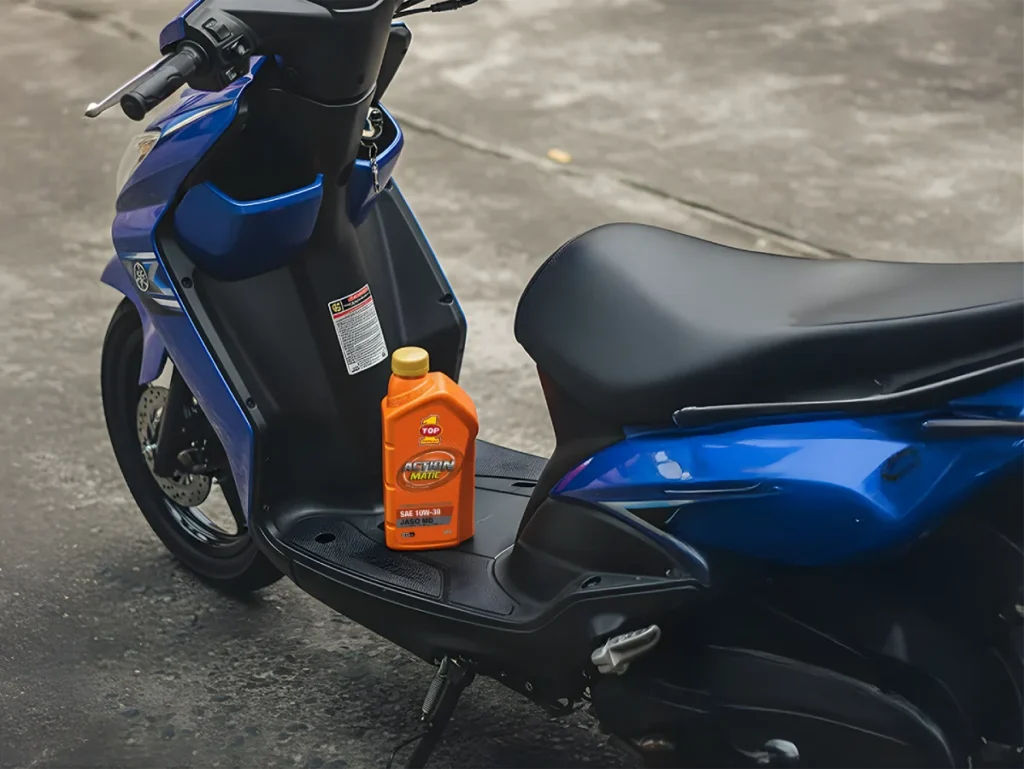
ACTION MATIC
Synthetic Blend
Viscosity 10W-30, 10W-40
- Easy Start and Smooth Riding
- Excellent Wear Protection by Reducing Engine Friction
- Extends Engine Life
- Powerful Detergent Action for Maximum Engine Cleanliness
- Specified Only for Dry Clutch Motorcycle Engines

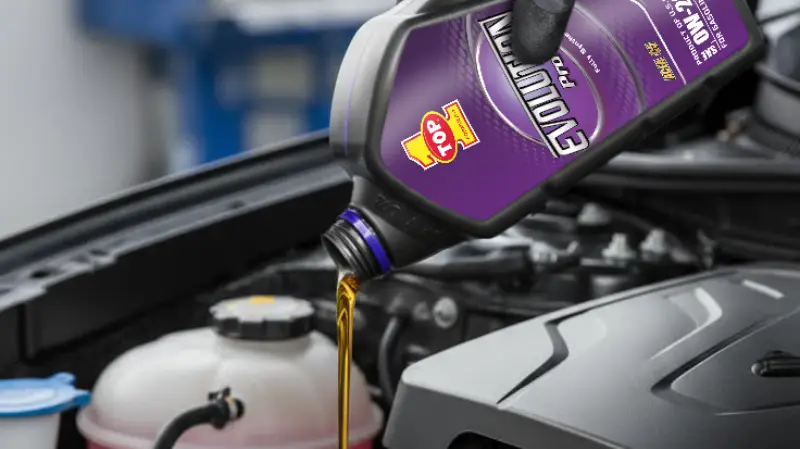
EVOLUTION MATIC
Fully Synthetic
Viscosity: 10W-30
- Highly oxidation stable – protects engine from oil thickening, high temperature sludge and varnish deposits.
- Shear stable viscosity index improver.
- Effective detergent-dispersants keeps engine parts clean.
- High TBN / alkaline reserve will effectively neutralize corrosive acids formed by combustion to protect critical turbo charger bearings and other vital engine surfaces.
- Anti-wear agents effectively protect from wear.
- EXTRA SMOOTH booster to improve fuel economy and engine cleanliness.
- X-Treme Low Shear viscosity modifiers.
- Pleasant fragrance
- Recommended for Motorcycles and Scooters with “Dry Clutch Systems”.
SMO-MC
Synthetic Blend
Viscosity: 20W-50
- Meets JASO MA2 and API SN
- Maximum Engine Protection for Longer Engine Life
- Exceeds all Japanese and European Motorcycle Engine Specifications for this Viscosity
Additive Packages
Both oil types include detergents, dispersants, anti-wear agents, and corrosion inhibitors. That said, the balance of these additives varies. Motorcycle oils often contain higher levels of anti-wear additives, such as zinc and phosphorus compounds, to protect against the increased mechanical stress. Motorcycle oils might also include additives specifically tailored to gear protection.
Passenger car oils are increasingly being formulated to meet strict emissions regulations. This often means reducing certain additives, like phosphorus, which can harm catalytic converters over time. While this approach reduces emissions, it can also slightly reduce the oil’s ability to protect an engine under extreme mechanical loads.
Viscosity of 4-Stroke Engine Oil
While both car and motorcycle oils are available in a range of viscosities, motorcycles are more likely to use higher-viscosity oils. This is partly due to the need for greater protection under high temperatures and shear conditions. However, the correct viscosity always depends on the manufacturer’s specifications.
It’s also worth noting that not all motorcycles use a shared oil system. Some high-performance or specialized motorcycles have separate compartments for the engine and transmission, similar to passenger cars. In these cases, the oil requirements might be different, and certain automotive 4-stroke engine oils might be more acceptable for certain types of motorcycle.
Unless explicitly specified by the manufacturer, it’s generally safest to use motorcycle oil designed for motorcycles.
Standards and Certifications
Passenger car oils are typically certified under systems that focus on fuel economy, emissions compatibility, and engine protection. Motorcycle oils often adhere to additional standards that specifically address clutch performance and gear protection. These certifications help ensure the oil meets the unique demands of motorcycle operation.
Using passenger car motor oil in a motorcycle can lead to several issues. The most common risk is clutch slippage due to friction modifiers. Over time, reduced shear stability can cause the oil to thin out, leading to increased engine and transmission wear. In extreme cases, this can result in costly mechanical damage.
Using motorcycle oil in a passenger car is generally less problematic. Motorcycle oils are often more robust, but they probably lack the specific formulations needed to optimize emissions systems in modern cars.

The Last Word
Ultimately, both types of motor oil serve the same fundamental purpose, but their formulations reflect the very different environments in which they operate. Passenger car motor oil is optimized for efficiency, emissions compliance, and long service intervals in relatively stable conditions. Motorcycle motor oil is engineered for versatility, durability, and performance under higher stress and more complex mechanical demands.
The takeaway is clear: despite both oil types being used in internal combustion engines, motor oil for passenger cars and motor oil for motorcycles are not interchangeable. Choosing the right oil is essential, not just for performance, but for protecting the intricate engine systems that rely on using the right 4-stroke engine oil.
FAQs – 4-Stroke Engine Oil Explained
1. What are additive packages in motor oil?
Additive packages are chemical components blended into oil to improve performance. They include detergents, dispersants, anti-wear agents, and corrosion inhibitors that help keep engines clean and protected under different operating conditions.
2. How do additive packages differ between car and motorcycle oils?
Motorcycle oils are often formulated with higher levels of anti-wear additives to handle greater mechanical stress. Passenger car oils, on the other hand, are balanced to support emissions systems and fuel efficiency, which can mean lower levels of certain additives.
3. Why are phosphorus levels reduced in passenger car oils?
Passenger car oils are designed to protect catalytic converters and meet strict emissions standards. Reducing phosphorus helps prevent damage to these components, even though it may slightly reduce protection under extreme load conditions when compared to 4-stroke engine oil designed for motorcycles.
4. Do motorcycle oils need special additives for gear protection?
Yes, many motorcycle oils include additives that support gear protection because the engine and transmission often share the same lubricant. This helps maintain durability under the combined stress of engine operation and gear meshing.
5. Can using the wrong oil affect engine protection?
Yes, using an oil that is not designed for the engine can lead to insufficient lubrication, reduced wear protection, or issues with clutch performance in motorcycles. Choosing the correct 4-stroke engine oil ensures the additive balance matches the engine requirements.
6. Are all additive packages the same across all oils?
No, additive packages vary widely depending on the intended use of the oil. Motorcycle and passenger car oils are formulated differently to match their specific operating environments, mechanical stresses, and regulatory requirements.